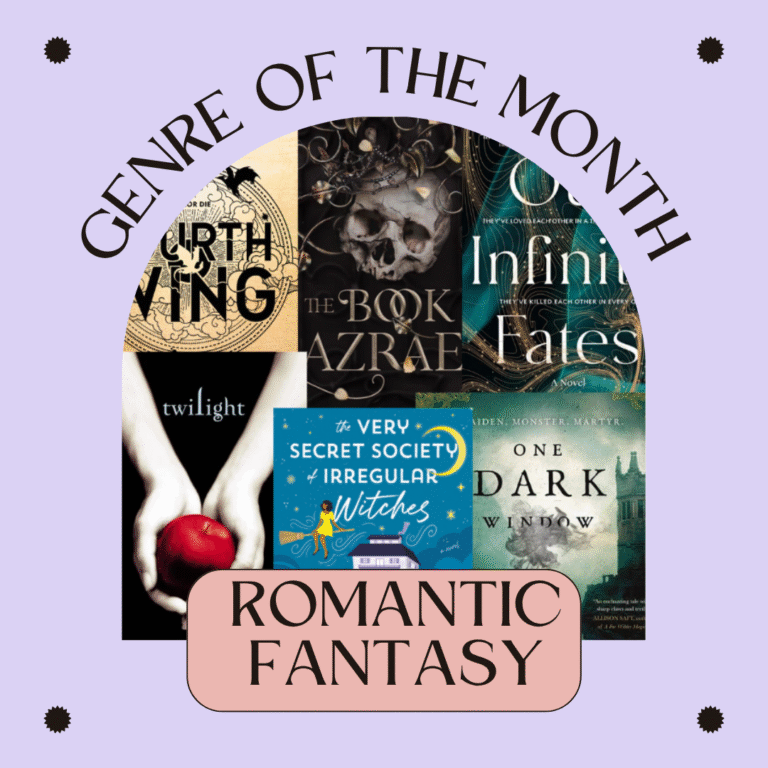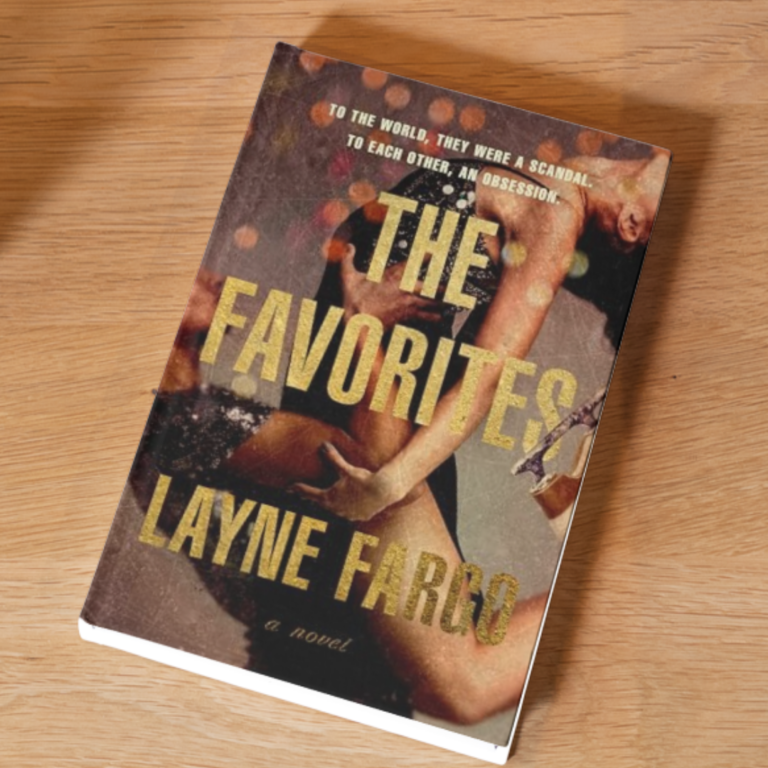
Sometime last year, I wrote a post about “having bad taste in books,” and within it I touched on the romance genre—its place in the literary ecosystem and the way it’s perceived as a primarily women‑led and women‑loved space. I mentioned then that there was a much bigger conversation to be had about how misogyny shapes the judgments placed on romance and other forms of women‑centred fiction. Well… now feels like exactly the right time to have that conversation.
As part of my romance exploration this month, as much as I love the light, enjoyable side of romance with the reviews and recommendations, it would be remiss of me if I didn’t include at least one critical deep dive. So alongside celebrating the joy of romance, I want to look more seriously at why the genre is so often dismissed or delegitimised as a sophisticated form of literature.
Before we get into the biases, just how important is romance to the literary industry?
Romance is one of the foundational pillars of modern publishing. It is the highest‑grossing, most consistently profitable, and often fastest‑growing genre in the entire fiction market, generating over $1.4 billion annually in 2022. Accounting for roughly 34% of all fiction sales, romance fuels massive demand across print, digital, and self‑publishing platforms. Its readership, dedicated and high‑volume, is a major stabilising force in an industry that frequently struggles with unpredictability. Even in the UK Both romance and fantasy continued to show record sales last year, according to data gathered from more than 7,000 UK booksellers.
And if you need proof of romance’s cultural and economic power, look no further than BookTok.
In fact, the rise of BookTok has literally saved bookstores. Major chains like Barnes & Noble have openly credited their resurgence to TikTok‑driven demand. After years of financial decline and widespread closures, especially throughout the late 2010s and into the pandemic, many bookstores, particularly independent ones, were barely staying afloat. Then TikTok became a household platform, and with it came BookTok: a vibrant, overwhelmingly women‑led corner of the internet that celebrates reading, especially romance, fantasy, and young adult fiction.
BookTok has been widely acknowledged for driving record-breaking print sales, generating viral demand for titles, and increasing foot traffic in physical bookstores. Whatever criticisms the platform may receive (and there are plenty), what cannot be denied is this: the data shows that the internet, powered largely by women readers championing women‑centred genres, rescued the physical bookstore and is driving increased literacy.
Why Romance Gets Unfairly Dismissed
While I’ve always maintained that not all books are created equal—and that every genre contains both good and bad writing—romance is a genre that’s often judged with an indiscriminate broad stroke. It isn’t afforded the same nuance, exceptions, or grace that other genres regularly receive.
This is primarily because romance is seen as something “for women.” And we know, historically, that importance and credibility are rarely granted to things women enjoy. The interests of women are routinely dismissed as frivolous, shallow, or embarrassing by a culture that scrutinises women’s joy in ways men’s hobbies never are. Women are frequently expected to “grow out” of the things they love, while men are socially permitted, and even encouraged, to hold onto their interests well into adulthood. This is one of the subtle, everyday ways misogyny operates, and many people don’t notice it because it’s woven so deeply into societal norms.
The same dynamic exists in the literary world. Genres dominated by women, both as creators and as consumers, have historically been devalued. It’s almost ironic that, once upon a time, women weren’t widely published, and writing was considered ‘elite and intellectual’ work that was extremely exclusionary. Yet now that women dominate the field, reading itself is increasingly framed as “a woman’s thing.” We hear constantly (not in every case, of course) that men don’t read, and that message is reinforced by a cultural narrative about what is now considered “feminine” and what isn’t.
The Literary Value Within Romance
There is so much literary value in romance as a genre, and the critiques it receives are often unfounded or outright contradictory. For example, romance is frequently dismissed as overly formulaic, following the same plot structures or tropes to get us from A to Z. But other major genres, mystery, crime, thrillers, are also incredibly formulaic and often rely on strict conventions to even qualify as part of the genre. Yet because those genres are perceived as more “serious” or are not as closely associated with women (even though women read everything), romance is the one that takes the harsher criticism.
Romance, like any other genre, requires strong narrative craftsmanship to execute well. Creating a love story that feels believable, grounded, and emotionally compelling takes real skill, far more skill than people often think. Building relationship arcs, establishing emotional stakes, and still weaving in the character development needed to support the plot is not easy work.
Emotional intelligence plays a huge role, too, both in crafting these narratives and in how readers engage with them. Understanding emotion, growth, conflict, vulnerability, and human connection is not frivolous; it’s deeply valuable.
And beyond the central love story, romance often explores so much more: trauma, grief, identity, community, healing, and self‑worth. Love is something universally understood and universally sought after. So why shouldn’t it be celebrated as a legitimate literary form?
The Cultural Importance of Romance
Romance novels are, and have always been, a reflection of social norms, desires, and tensions at every point in time. The genre has a long, well‑established history, with roots stretching back to the 18th century—think Samuel Richardson’s Pamela (1740)—and strong influences from classics like Pride and Prejudice and the works of the Brontë sisters. These early texts laid much of the groundwork for the romance genre as we know it today, but like all classic literature were very representative of the attitudes and beliefs of that time.
As one of the highest‑grossing genres in the world, the impact of romance can’t be overstated. In many ways, the genre itself is inherently political. Far from being mere escapist “fluff,” romance often engages with complex, real‑world issues—sexual abuse, alcoholism, racism, divorce, generational trauma, and more. Like real-life relationships, romance novels are shaped by politics through laws, economics, gender roles, and social power dynamics, making the genre a reflection of broader societal values.
Romance is also considered “political” because it unapologetically centres female pleasure, agency, and desire. By prioritising women’s inner worlds, emotional autonomy, and happy endings, romance challenges the cultural norms that typically dismiss or devalue women’s experiences. In that sense, every love story is doing more than telling a tale—it’s asserting that women’s joy and fulfilment matter.
Reclaiming Romance: Why It Deserves Respect
I will always continue to assert that something being pleasure‑focused does not invalidate it, nor does it minimise its value. Romance as a genre celebrates connection, joy, and resilience just as much as literary fiction does. And, just like every other genre, romance authors often push boundaries to reflect very real, very human experiences—and that deserves just as much respect and critical recognition.
It’s important that we challenge our assumptions and also examine the foundations on which those assumptions are built. This piece isn’t written to undermine literary critique—there is absolutely space for critical engagement within the romance genre, just as there is with anything we consume. I’m not saying that something should be immune to critique simply because women enjoy it; I’m saying it shouldn’t only be critiqued because women enjoy it.
As I mentioned at the beginning, there is good and bad in romance just as there is in every genre. There are light, easy, “fluffy” novels, and there is space for them, the same way there is space for light forms of every other genre. People of all genders and backgrounds should be allowed to enjoy them without judgment, as long as that enjoyment doesn’t bring harm to anyone else. Love is so deeply human, so why shouldn’t it be a legitimate centre for storytelling?
Literature is all about the human experience and what is more human than love?
Thank you for reading!
Signed,