Stories with Feminists at the Helm
Feminism as we know it today began in the early nineteenth century and surged again in the latter decades of the twentieth century (although we know there were various acts of feminism before the global movement). This new age allowed for a surge of literature in all genres written by women. Since the rise of the women’s movement, we’ve had stories that celebrate womanhood in all its forms—friendships, motherhood, love, and struggle—alongside a growing body of work that is consciously feminist in tone, championing women’s equality.
Feminism in literature is so important as it brings to light the struggles those who came before us have faced in the struggle for women to be seen as autonomous human beings with full potential of self-actualisation and not simply second-class citizens at the mercy of the men in our lives.
Stories that challenge patriarchal norms, elevate marginalised voices, and transform the literary canon to include diverse, intersectional perspectives are so crucial.
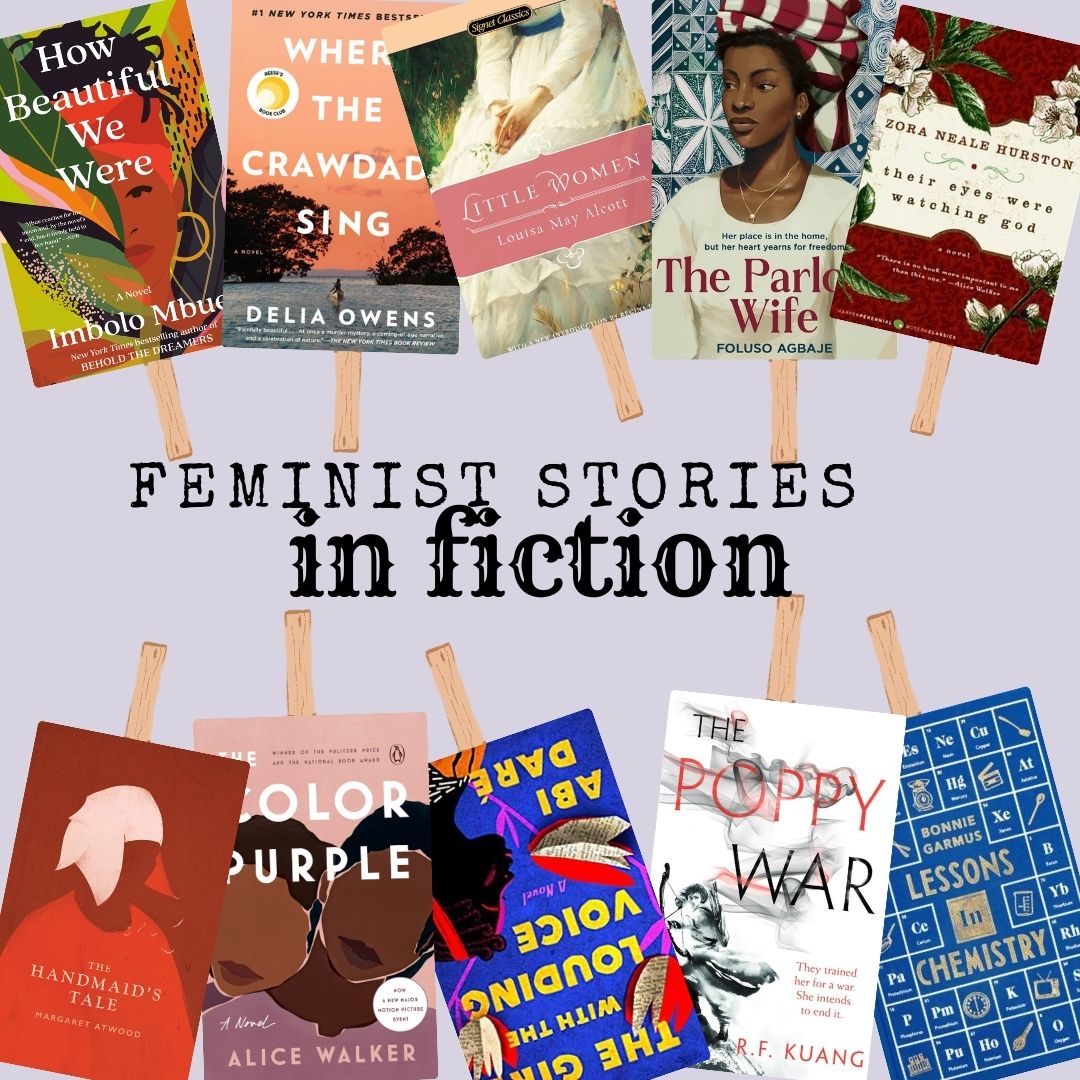
The stories below do exactly that. Not every story here represents traditional feminists and many of these stories show feminism born out of struggle and survival. Across cultures, eras, and genres—from historical fiction to dystopian futures—they share a drive to want more for themselves despite living in worlds that diminish them. Some are morally complex, some do not know themselves as feminists, but each one resists societal expectations, placing them firmly within the collective fight for freedom and equality.
I have chosen a mixture of popular books we are all very familiar with, as well as books I consider underrated that explore various levels of intersectionality.
Janie Crawford – Their Eyes Were Watching God
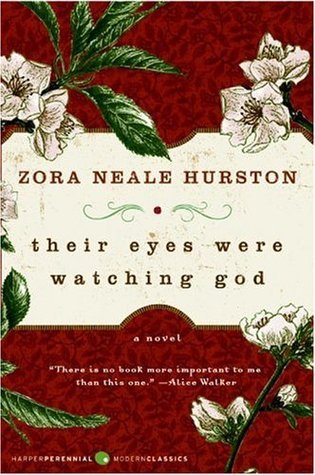
Janie recounts her life through three marriages, each revealing new constraints and self-discoveries. Her journey from youthful longing to confident selfhood unfolds against the backdrop of Black Southern communities grappling with love, labour, and autonomy.
Janie embodies self-actualisation—claiming her voice, her desires, and her right to define love on her own terms.
“Some people could look at a mud puddle and see an ocean with ships.”
Zora Neale Hurston
Kehinde – The Parlour Wife
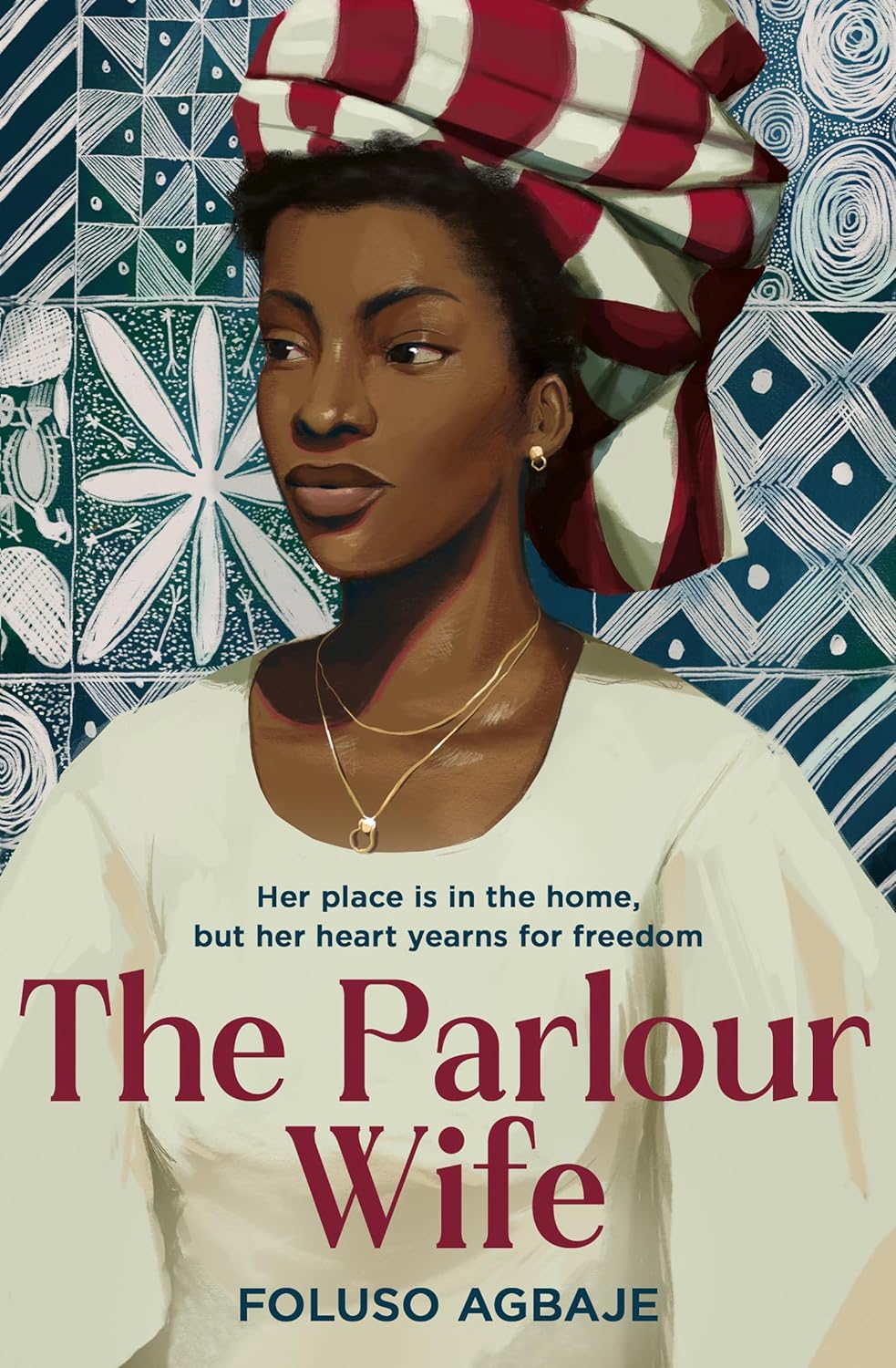
When World War Two shatters her plans of becoming a writer, Kehinde is forced into marriage as Mr Ogunjobi’s third wife. Finding solace selling snacks in the market, she discovers purpose in supporting the Lagos Women’s Market Association. But defying her husband could cost her everything—unless she finds the courage to reclaim her freedom.
Her story exposes the emotional cost of conforming and the courage in questioning prescribed womanhood.
“She was like Nigeria, silently screaming about her rights to parents who thought they knew better”
Foluso Agbaje
Offred – The Handmaid’s Tale
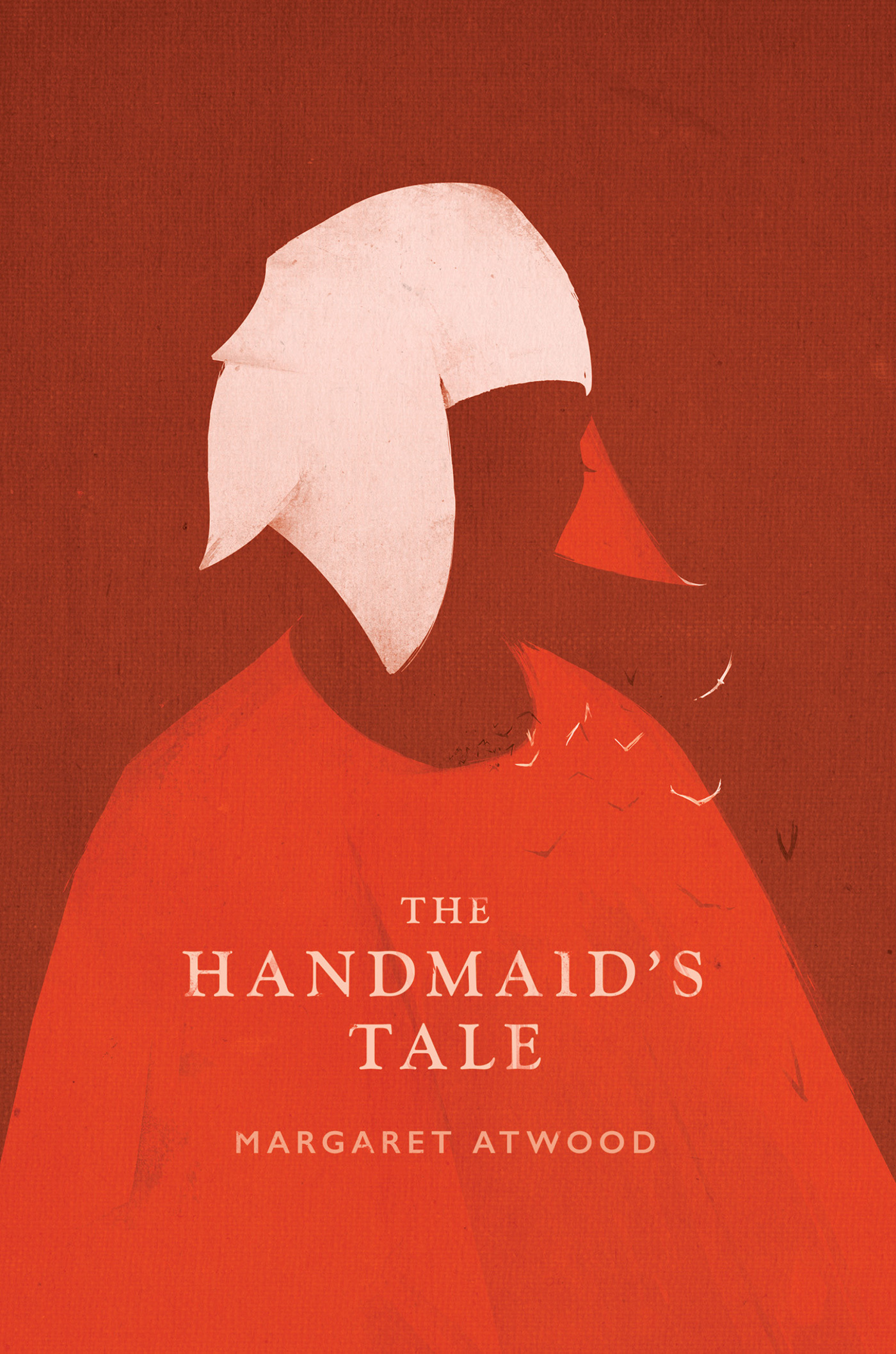
In a theocratic regime where women’s bodies are state property, Offred serves as a Handmaid forced to bear children for elite couples. Through fragments of memory, coded rebellion, and quiet observation, she clings to her sense of identity while navigating cruelty, surveillance, and systemic dehumanisation.
Offred’s feminism is interior: resisting erasure by remembering her past, preserving her inner voice, and refusing to relinquish hope. Her survival becomes its own form of rebellion.
“Don't let the bastards grind you down.”
Margaret Atwood
Elizabeth Zott – Lessons in Chemistry
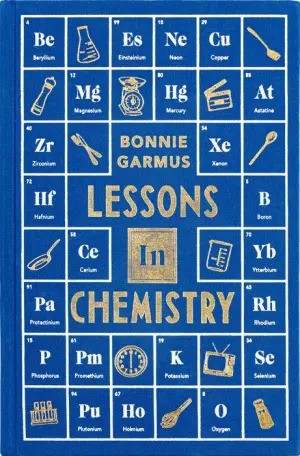
A brilliant chemist in the 1960s, Elizabeth Zott faces institutional sexism that derails her scientific career. When she becomes the host of a cooking show, she subverts the format, teaching women about autonomy, equality, and critical thinking under the guise of recipes.
Elizabeth utilises intellect against gendered expectation, pushing for equality through logic, refusal, and radical honesty.
“Courage is the root of change—and change is what we’re chemically designed to do.”
Bonnie Garmus
Rin – The Poppy War

Escaping poverty through a prestigious military academy, Rin discovers power, addiction, and the brutal realities of war. Her rise forces her to confront the consequences of violence, nationalism, and divine intervention as she becomes both protector and destroyer of her nation.
Rin embodies morally complex and often dark feminism — rage, power, and survival against elitism, racism, and misogyny.
“If you were the victim, what could you say to make your tormentor recognize you as human? How did you get your enemy to recognize you at all?”
R.F. Kuang
Thula – How Beautiful We Were
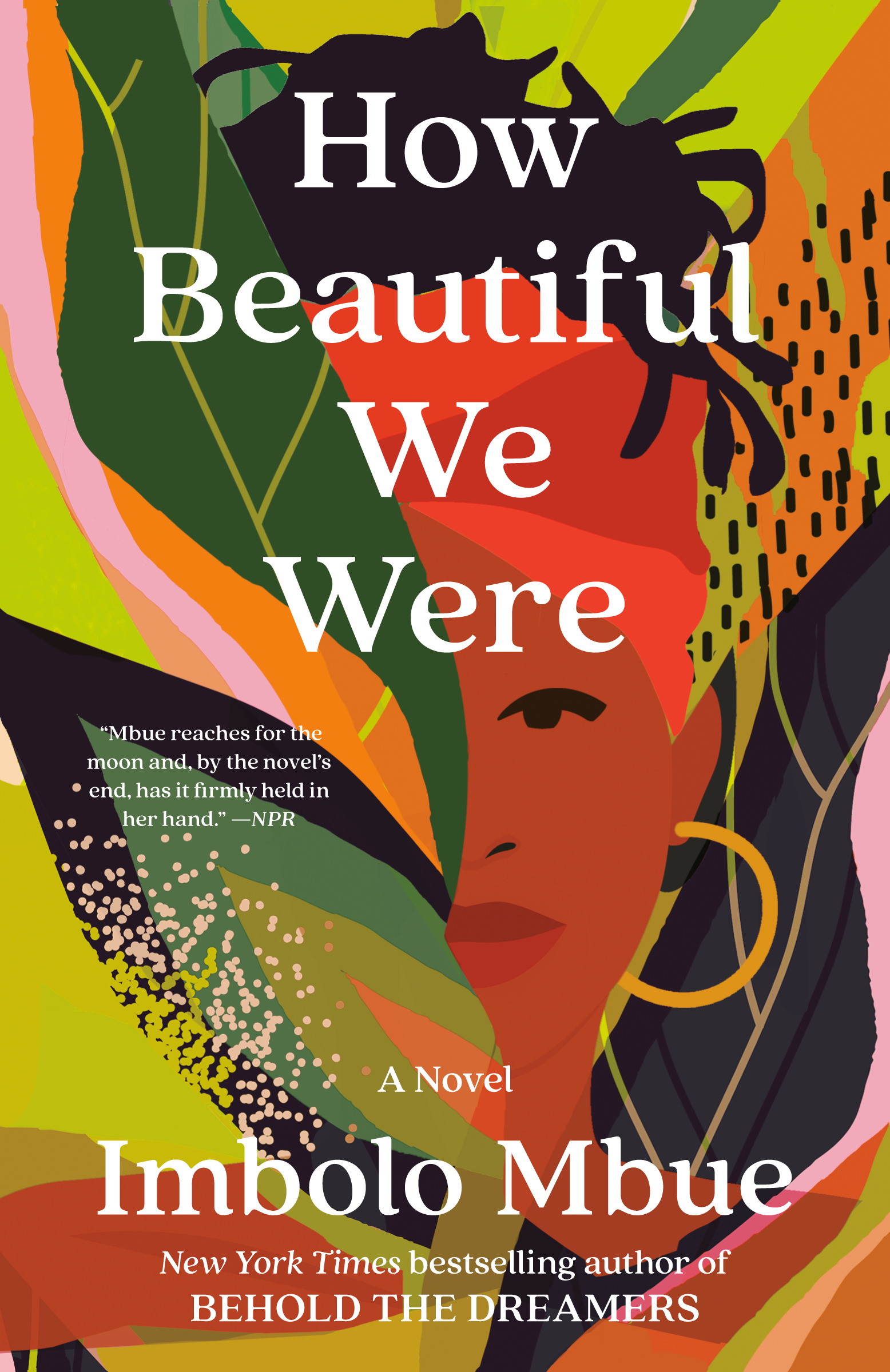
Set in an African village resisting environmental devastation by an American oil company, Thula grows from an observant child to a revolutionary leader. As her community fractures under exploitation, she pursues justice through activism, study abroad, and eventually armed resistance.
Thula’s feminism is political, collective, and rooted in anti‑colonial resistance and community protection.
“She had the fortitude of the sun—no matter how dark and thick the clouds, she was confident she could melt them and emerge in full glory.”
Imbolo Mbue
Adunni – The Girl with the Louding Voice
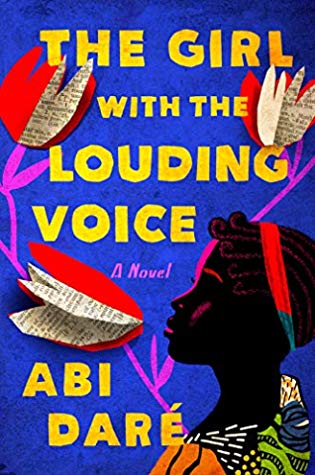
After her father sells her into marriage at fourteen, Adunni escapes only to be trapped in domestic servitude in Lagos. Though denied schooling and silenced by those who own her labour, she clings to her dream of education. Her journey becomes a fight to reclaim dignity, opportunity, and the “louding voice” she deserves.
Adunni insists on her right to speak, learn, and dream despite systems designed to erase her. Her courage exposes the violence of poverty and patriarchy, proving that resistance can begin with one girl refusing silence.
“My mama say education will give me a voice. I want more than just a voice, Ms. Tia. I want a louding voice,”
Abi Daré
Celia – The Color Purple
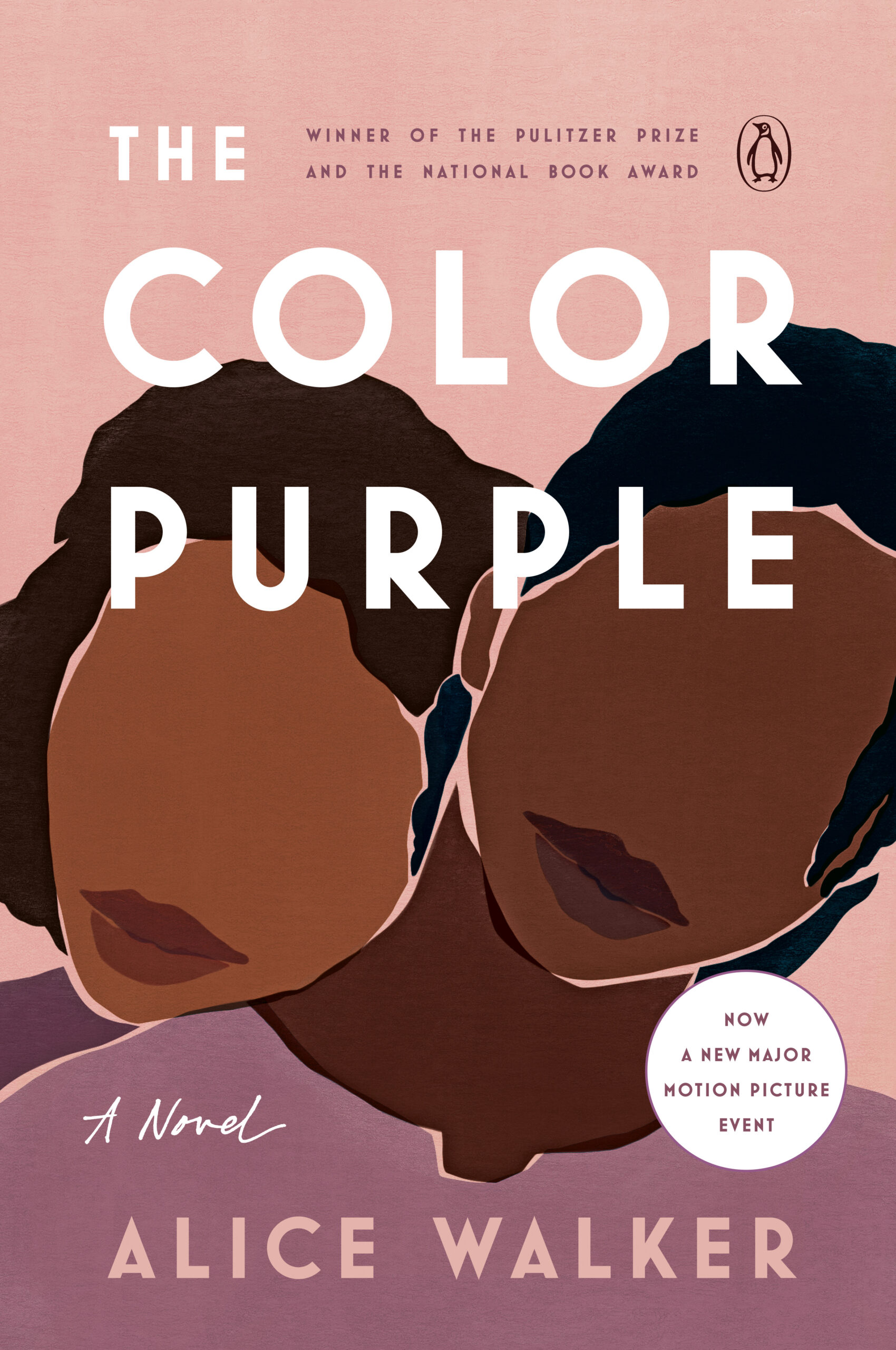
Enduring abuse, separation, and lifelong silencing, Celie slowly finds her voice through letters to God and to her sister. Relationships with strong women, especially Shug Avery, guide her toward healing, economic independence, and an unshakeable sense of self after years of oppression.
Celie’s transformation from voicelessness to self-love embodies feminist liberation grounded in community, resilience, and reclaiming personal power.
“Well, I say, we all have to start somewhere if us want to do better, and our own self is what us have to hand.”
Alice Walker
Kya Clark – Where the Crawdads Sing
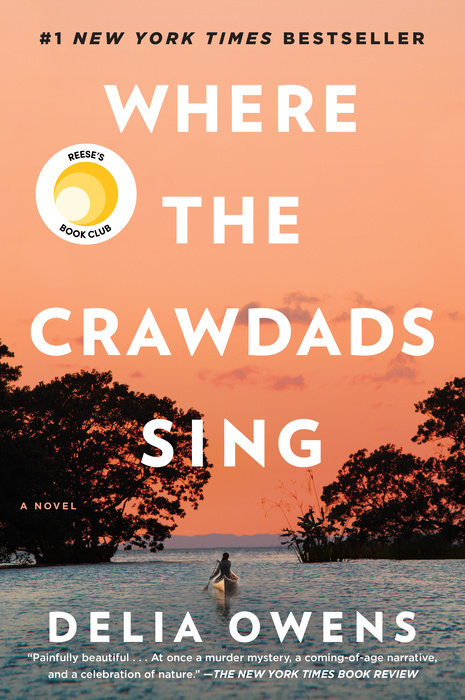
Abandoned in the marshes of North Carolina, Kya grows up alone, learning to survive through deep knowledge of the natural world. When the town’s hostility and a mysterious death collide, she becomes the centre of suspicion while forging a fragile path toward connection and self-determination.
Kya defies societal judgment by crafting her own life outside norms. Her self-sufficiency challenges ideas about femininity, belonging, and who deserves freedom.
“Standing in the most fragile place of her life, she turned to the only net she knew - herself.”
Delia Owens
Jo March – Little Women
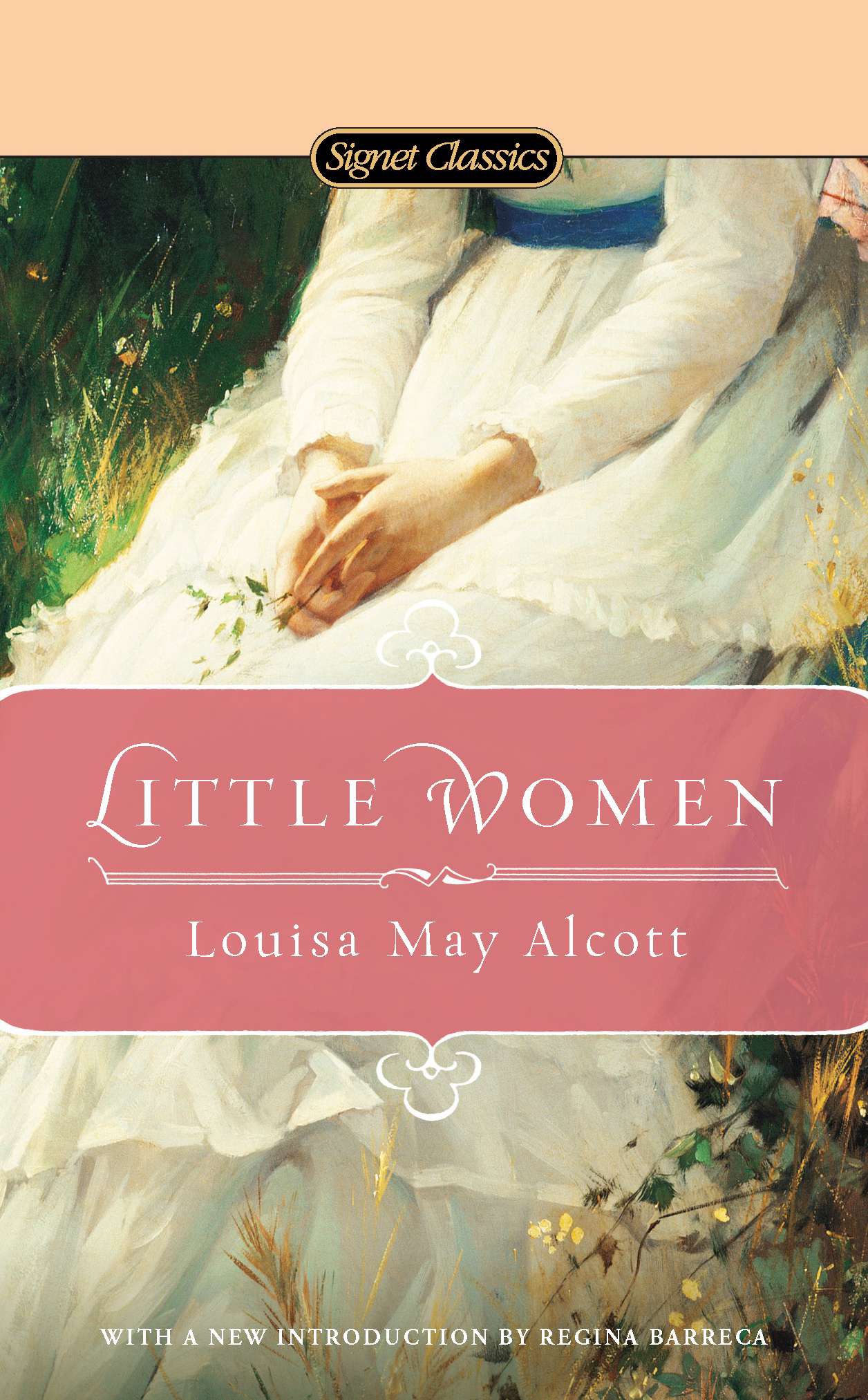
Jo March rejects the conventional path expected of young women in 19th‑century America. Fiercely independent, she pursues writing, wrestles with expectations around marriage, and tries to carve a life that honours her creativity and her obligations to her family.
Jo champions artistic ambition and economic independence over domestic destiny, offering a feminist model rooted in self-definition.
"I am not afraid of storms, for I am learning how to sail my ship"
Louisa May Alcott
It just so happens that a majority of the books mentioned are either historical fiction, classics, or literary fiction. However, that’s not to say there aren’t plenty of genre fiction stories that showcase strong feminist leads. One that came to mind was The Hunger Games, featuring Katniss Everdeen—a revolutionary character whose fight against oppression and poverty is underpinned by deeply feminist traits.
I’ve also read many romance novels with feminist leads — Rebel by Beverly Jenkins, for example. It’s a wonderful romance that centres on a woman driven to educate and empower women, encouraging them to embrace their own minds and abilities during the era of Emancipation. I would also have recommended The Help, but I’ve long had concerns about the story being written by a white author and the racial implications that come with that perspective. That said, I can’t deny the strong feminist themes present throughout the narrative.
Another title worth noting is Girl, Woman, Other, though I chose not to include it here as it is an anthology rather than a narrative with a single woman at the helm. There are, of course, many other books and adaptations out there, but I haven’t read or watched them and simply cannot recommend something I know nothing about.
That said, there are strong curated lists that highlight feminist literature—including works that may not centre on a single protagonist but still speak powerfully to womanhood and the ongoing struggle for self-actualisation and equality.
I hope you enjoyed this post!
Thanks for reading!
Signed,