
Why Historical Fiction Is My Genre of the Year
Sometimes you begin the year with one intention and somehow end up in a completely different space you never anticipated, but are genuinely delighted to have reached. When I first started this blog, I was determined to broaden my reading horizons. I was very much a romance girl (and still proudly am), happily living in the indie Black contemporary romance niche with blinkers on when it came to other genres.
My goal was to branch out, not necessarily into stories with heavier themes, but into books that asked a bit more of me: thrillers that kept me guessing, fantasies with intricate worlds and systems to unravel, literary fiction that dove deep into character and demanded reflection. And I think it’s fair to say I’ve succeeded. I’ve read much more broadly this year and finally tackled many of those acclaimed titles and bestsellers everyone talks about.
But in doing so, I accidentally flung myself headfirst into historical fiction.
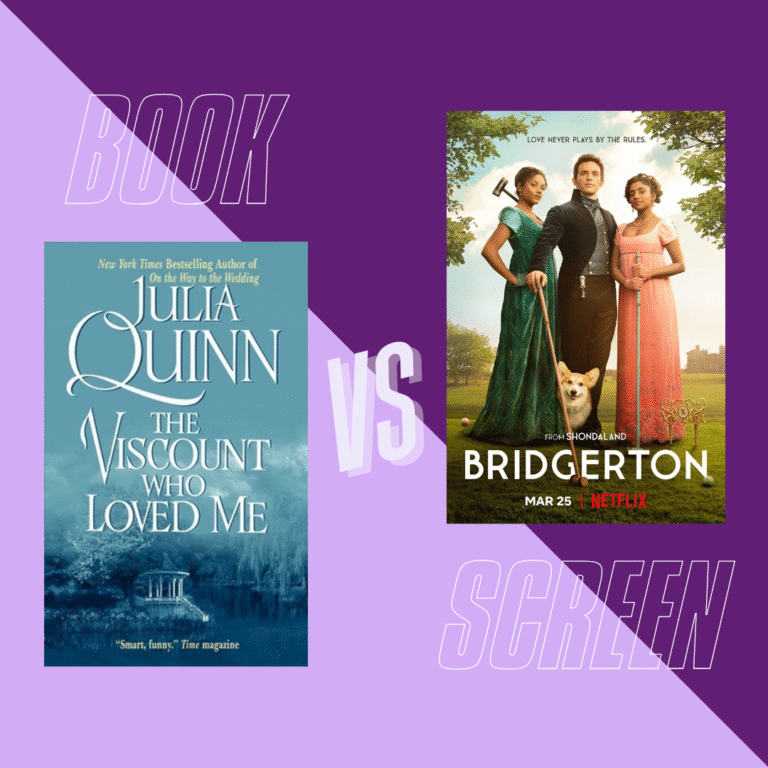
Now, I’ve read historical romances before, mostly Regency settings, a big fan of Julia Quinn and the Bridgerton books and spin-offs, but this year was different. I found myself completely drawn into stories from the 19th to mid-20th centuries, especially those centred on Black history, Black joy, and Black struggle. I also ventured into narratives set in the latter parts of the 1900s — the 70s and 80s. Technically, I’ve learnt that a book must be set at least fifty years in the past to qualify as historical fiction, so the 80s might not quite count. Still, those stories felt so rooted in their time — culturally, musically, socially — that they’re part of this reflection all the same.
I couldn’t pinpoint a single moment that sparked this shift. I think I wanted to immerse myself in books I could learn from. Before I realised it, alongside my usual romance reads, historical fiction had become a genre I was exploring again and again — and falling a little more in love with each time.
What Draws Me to Historical Fiction
What draws me most to the genre is the way it blends learning with introspection. I’ve always been a bit of a history buff, fascinated by how cultural shifts, major events, and all the things that have defined and shaped our understanding of society today. Historical fiction lets me explore periods far removed from my own life, yet still feel deeply connected to them.
There’s an authenticity to these stories that feels different from contemporary fiction. Modern settings certainly reflect the society we’re living through right now — and often brilliantly so — but there’s something uniquely compelling about stepping into a time that came before us. It’s especially intriguing when reading novels set in the more recent past, like the early twentieth century, because they offer insight into what influenced our parents, grandparents, and the generations who paved the way for us.
For me, historical fiction satisfies that hunger for knowledge while still delivering the imaginative escapism that storytelling promises. The joy lies in entering another era entirely, knowing the characters could have been real, and the events truly happened — stories that feel utterly believable, even when they are not.
Books and Themes
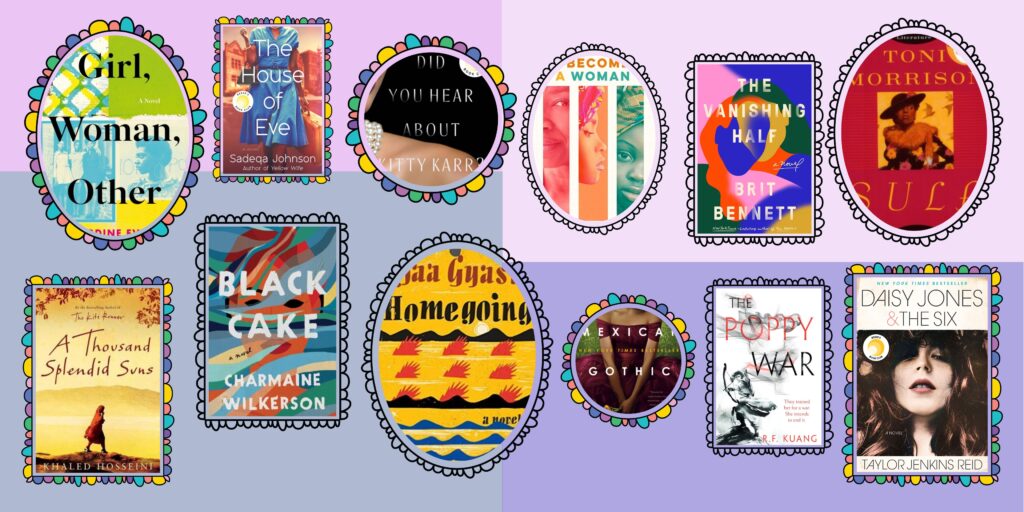
Overall, I read thirteen historical fiction titles this year. Out of about one hundred and fifty books, that may not sound like a great proportion, but these are the ones that have stayed with me the longest. Every single one felt impactful in a way that lingered long after I turned the final page.
I spent a great deal of time immersed in the 1960s, mostly in America, but also in the UK, across the Caribbean, and throughout parts of Africa. Much of my reading explored the deep and complicated legacy of colonisation: how it shaped identities, belief systems, and entire nations.
Black Cake by Charmaine Wilkerson was a standout in that regard. I learnt so much about Jamaica — its diverse cultural heritage born from slavery and indentured labour — and how those histories have created a unique racial landscape across the Caribbean. It pushed me to think more critically about diaspora, identity, and the way stories travel across oceans.
With Homegoing, I followed two branches of the same family tree torn apart by history, their lives shaped by forces beyond their control. The novel tracks how one ancestral divide can echo through generations — yet also how those lines can converge again in the most unexpected ways.
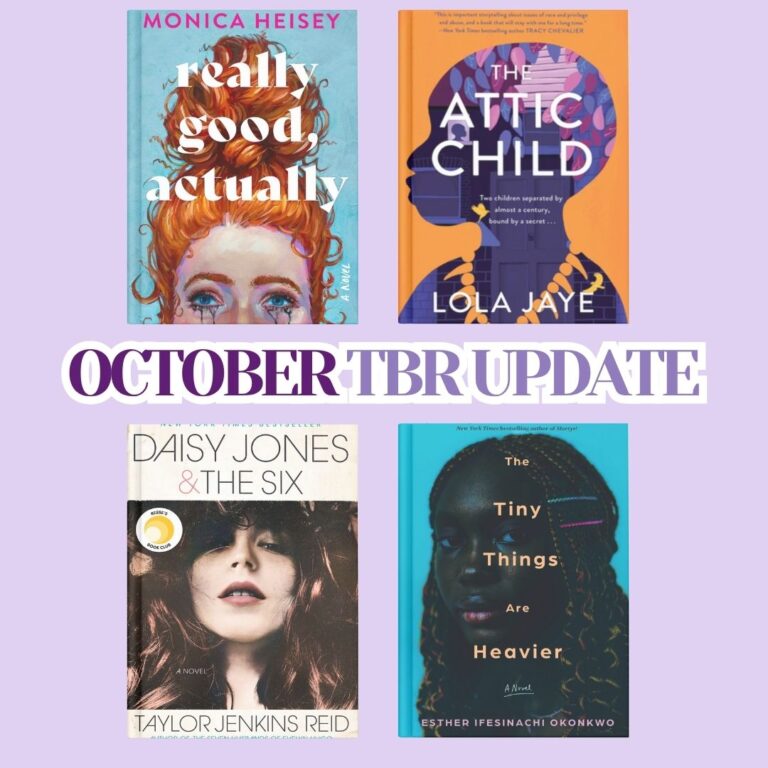
The Attic Child opened my eyes to a part of British history we rarely see in fiction: the experiences of Black people here long before the Windrush era. It’s a window into lives that were lived, communities that existed, and stories that deserve to be told.
On a completely different note, Daisy Jones & The Six swept me into the electric pulse of 1970s rock culture — a world I’d never considered in any depth. I wasn’t alive then, and the music and atmosphere of that era are far removed from anything I’ve experienced, yet Taylor Jenkins Reid made it feel immediate and almost tangible. The interviews, the music, the self-destructive glitter of it all — it was as if I’d lived it.
I also ventured into historical narratives that felt much closer to the cultural roots I already know. I read so much Nigerian fiction, but not nearly enough that directly tackles its history. Tomorrow I Become a Woman offered a vivid and emotional portrait of Igbo life after the civil war — the tension between tradition and autonomy, the weight of marriage, and the profound scars left by conflict. It reminded me just how much the Biafran War still shapes Nigeria’s identity today, especially in the east.
A Thousand Splendid Suns portrays a reality we recognise from news headlines, yet remain painfully distant from. The devastation that swept through Afghanistan after decades of conflict — from the Soviet invasion in the 70s to the rise of the Taliban in the late 90s and the aftermath of 9/11 — is often spoken about in terms of global politics, war, and refugee crises. But Khaled Hosseini brings us into the homes, hearts, and histories of the women who lived through it.
It’s a story of a society that once allowed women glimpses of freedom and autonomy, only to have those rights brutally stripped away. Watching that transition unfold through the perspectives of women who simply wanted to live, love, and exist safely is harrowing.
And then there was The Poppy War — a fascinating blend of fantasy and history, rooted in twentieth-century Chinese trauma with threads from earlier dynasties woven through. RF Kuang presents cultural politics and wartime atrocity in a way that feels wholly original and deeply affecting. It opened a door to a part of history I had never explored before, and did so through a narrative that was bold, brutal, and unforgettable.
Across all these books, what united them was their power to expand my understanding of the past — not through textbooks, but through human stories. They taught me, challenged me, and transported me… and that is why historical fiction has become my genre of the year.
Women were at the centre of many of the historical fiction books I read this year, and it only reinforced the sobering truth that history has rarely been kind to them. Time and again, women — and children with them — bear the heaviest consequences of conflict, oppression, and change. It’s a difficult reality to confront, yet an important one to witness through these stories.
Looking Ahead
My reading habits have definitely shifted for the better. I’m keen to keep exploring eras that came long before my own and to learn from the people and events that shaped them. I also want to broaden my horizons and read more widely — especially from regions and authors I haven’t yet spent much time with. South Asian histories have always fascinated me, and I’d love to delve further into stories from across the African continent, particularly East Africa.
I’ve gained such an appreciation for the writers who bring these histories to life, their cultural perspectives, their research, and the care they take in honouring memory and experience. It’s made me even more eager to keep learning.
Most of these books were added to my TBR with intention rather than discovered on a whim, but now that my love for the genre has grown so much, I’m excited for more of those spontaneous finds — the books that appear by chance and end up becoming instant favourites.
Closing Thoughts
I read such a high volume of books that, more often than not, once I close one, it fades quickly as I move on to whatever’s next. But some stories linger, and so many of the historical fiction books I read this year did exactly that. There’s nothing better than a book that leaves a lasting impression. And as someone who loves to learn, being able to do that through my favourite hobby, with stories grounded in reality yet enriched by imagination, feels like the best of both worlds.
“I need you to make sure it is made clear that, although my story started a certain way, it ended with love…so much love.”
Lola Jaye, The Attic Child
Signed,





I love the diversity ❤️